:
: 
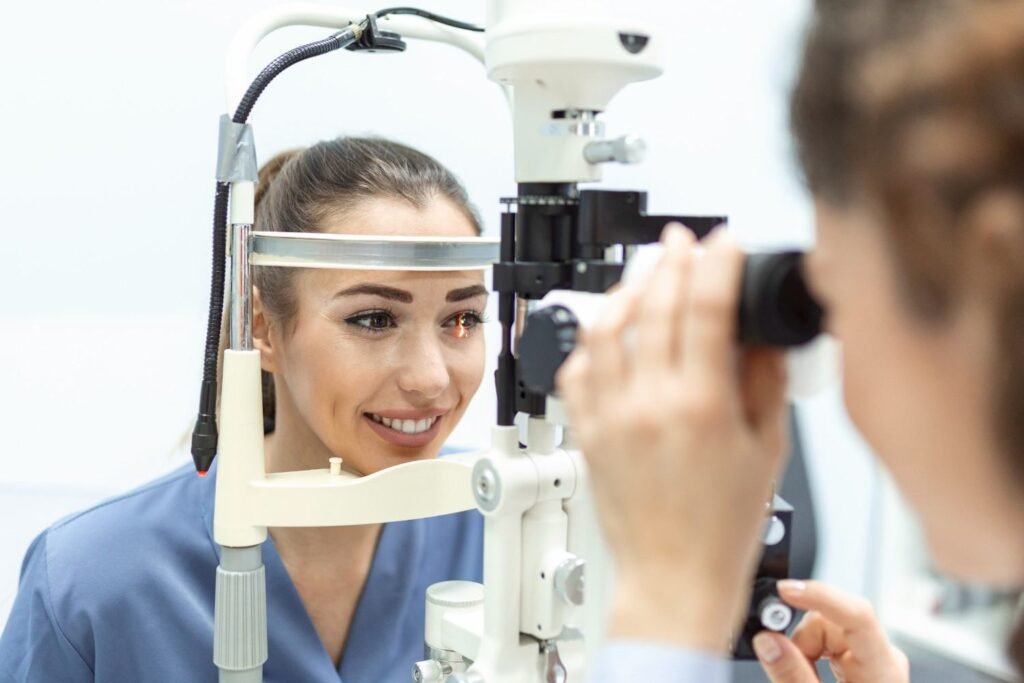
Your eyes work hard every day, but many people only visit an eye doctor when they notice blurred vision or discomfort. Regular eye examinations are important even when your vision seems normal. If you are looking for an Eye Specialist in Sector 51 Gurugram, understanding how often you should have your eyes checked can help you protect your vision and identify potential problems early.
For fast information, direct chat with us on WhatsApp.
How Often Should You Have a Routine Eye Examination?
For many healthy adults, a routine eye examination every one to two years can be a reasonable schedule. However, there is no single frequency that suits everyone. Your age, eye health, family history, existing medical conditions, prescription, and lifestyle can all affect how often you need an examination.
A routine eye check is not only about finding out whether you need new glasses. A comprehensive examination can also help identify signs of eye conditions that may not cause noticeable symptoms in the early stages.
If your eye specialist recommends more frequent visits, it is important to follow that personalised schedule.
Why Are Regular Eye Examinations Important?
Some eye conditions can develop gradually without causing obvious changes in vision. Glaucoma, for example, may progress without noticeable symptoms and is often detected during routine eye examinations.
Regular examinations can help your eye care professional:
- Check your visual sharpness and prescription.
- Examine the overall health of your eyes.
- Monitor changes in eye pressure.
- Look for early signs of eye diseases.
- Assess the retina, lens, and other eye structures.
- Recommend treatment or further testing when necessary.
This makes routine eye care an important part of maintaining healthy vision at every stage of life.
When Should You Visit an Eye Specialist More Frequently?
Some people need eye examinations more often than healthy adults. Your Eye Specialist in Sector 51 Gurugram may recommend a shorter interval if you have risk factors or an existing eye condition.
1. You Wear Glasses or Contact Lenses
Your prescription can change over time. Regular examinations can determine whether your current glasses or contact lenses are still suitable.
If you experience frequent headaches, eye strain, difficulty reading, or blurred vision despite wearing your glasses, do not wait for your next routine appointment.
2. You Have Diabetes
Diabetes can affect the small blood vessels in the retina and increase the risk of diabetic eye disease. People with diabetes may require regular eye monitoring based on their individual condition and doctor’s recommendations.
Keeping diabetes under control and attending recommended eye examinations can support long-term eye health.
3. You Have a Family History of Eye Disease
A family history of conditions such as glaucoma can increase your risk. People with relevant family histories may therefore benefit from more regular monitoring.
A comprehensive examination can help your Eye Specialist in Sector 51 Gurugram understand your risk profile and decide an appropriate follow-up schedule.
4. You Are Getting Older
The risk of several eye conditions increases with age. Changes in vision can also become more noticeable as you get older.
For this reason, older adults may need more frequent eye health assessments, particularly if they have other risk factors or existing eye problems.
5. You Spend Long Hours on Screens
Computers, smartphones, and tablets are now part of everyday life. Long periods of screen use can contribute to digital eye strain, which may cause tired eyes, dryness, headaches, or temporary blurred vision.
Screen use itself does not necessarily mean you need an eye examination every few months. However, persistent symptoms should be discussed with an eye care professional.
What Happens During a Routine Eye Examination?
A routine examination usually involves more than reading letters from an eye chart.
Depending on your age, symptoms, and risk factors, your eye specialist may assess:
Visual acuity: This checks how clearly you can see at different distances.
Refraction: This determines whether you need glasses or whether your existing prescription needs to be updated.
Eye pressure: Measuring intraocular pressure can be part of an assessment for glaucoma risk.
Front of the eye: The specialist can examine structures such as the cornea and lens.
Retina and optic nerve: Examining the back of the eye can help identify changes that may require further investigation.
A comprehensive eye examination can therefore provide valuable information about both your vision and eye health.
Don’t Wait for Symptoms to Become Severe
One common mistake is assuming that an eye examination is unnecessary if you can see clearly. Good vision does not always mean that your eyes are completely healthy.
Some eye diseases can remain unnoticed during their early stages. Routine examinations provide an opportunity to identify potential changes before they significantly affect everyday vision.
However, routine appointments should not replace urgent medical attention. Sudden vision loss, sudden flashes or floaters, severe eye pain, significant redness, or a sudden change in vision should be assessed promptly.
How Can You Maintain Healthy Eyes Between Check-Ups?
Regular examinations are only one part of good eye care. You can also support your eye health through simple daily habits.
- Take regular breaks during prolonged screen use.
- Avoid rubbing your eyes unnecessarily.
- Wear appropriate sunglasses outdoors.
- Follow proper contact lens hygiene.
- Eat a balanced diet that supports overall health.
- Manage conditions such as diabetes and high blood pressure with your healthcare team.
- Follow the eye specialist’s advice about medications and follow-up appointments.
If you spend most of your day working on a computer or mobile device, paying attention to symptoms such as persistent dryness, discomfort, or blurred vision is especially important.
Choose the Right Eye Specialist in Sector 51 Gurugram
Choosing an experienced eye care professional can make routine examinations more comfortable and useful. A good consultation should consider your symptoms, medical history, family history, lifestyle, and previous eye prescriptions rather than focusing only on whether you need glasses.
If you live in or around Gurugram and want professional guidance about your vision, consulting an Eye Specialist in Sector 51 Gurugram can help you understand how frequently you should have your eyes examined.
At EyePlus, the goal is to support patients with appropriate eye evaluation, professional guidance, and personalised care based on their individual needs.
Conclusion
So, how often should you visit an eye specialist for a routine eye examination? For many healthy adults, an examination every one to two years may be appropriate, while people with certain medical conditions, family histories, age-related risks, or existing eye problems may need more frequent monitoring.
The most important point is not to wait until your vision becomes seriously affected. Regular eye examinations can help monitor changes and detect potential problems early. If you are unsure about your ideal check-up schedule, speak with an Eye Specialist in Sector 51 Gurugram and get a recommendation based on your individual eye health and risk factors.