:
: 
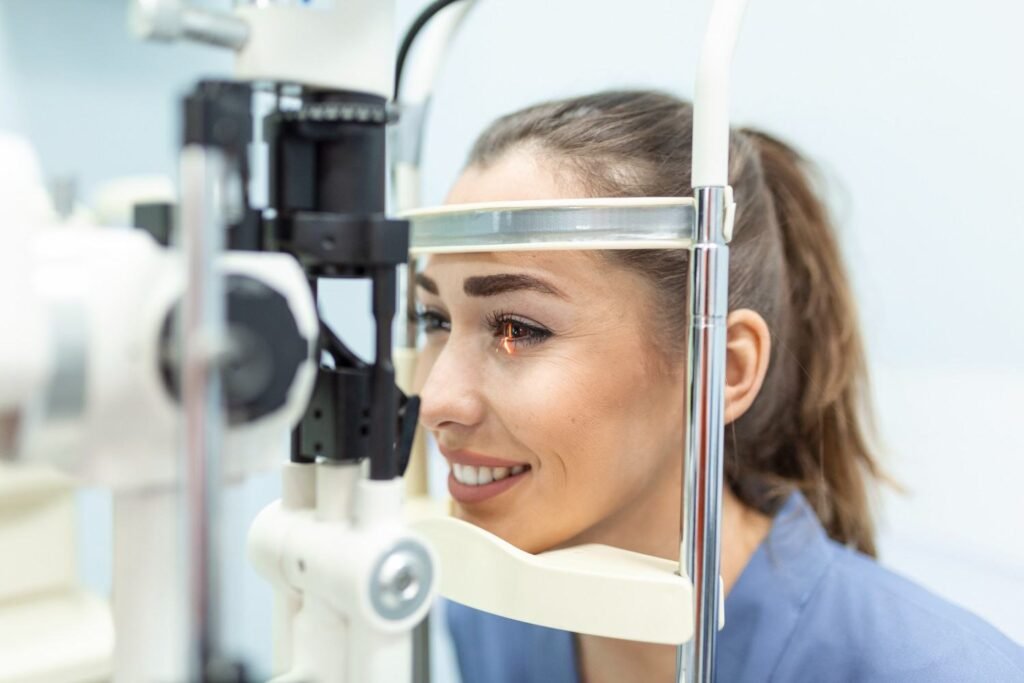
Regular eye check-ups are an important part of maintaining healthy vision. Visiting the Best Eye Care Clinic in Sector 51 Gurgaon can help detect vision changes and eye conditions at an early stage, even when you do not have noticeable symptoms. Many people wait until their eyesight becomes blurry or they develop eye discomfort before seeing an eye specialist. However, routine examinations can help identify potential problems before they start affecting daily life.
For fast information, direct chat with us on WhatsApp.
So, how often should you have a routine eye check-up? The answer depends on your age, overall health, family history, existing eye conditions, and other risk factors.
Why Are Routine Eye Check-Ups Important?
An eye examination is about more than checking whether you need new glasses. A comprehensive eye evaluation can assess your vision and examine the overall health of your eyes.
Some eye conditions may develop without obvious symptoms in their early stages. Regular examinations can help an eye specialist identify changes that may need monitoring or treatment.
A routine examination may include checking visual acuity, refractive error, eye movement, eye pressure, and other aspects of eye health. Depending on your age and risk factors, your doctor may also recommend additional tests.
This is why choosing a reliable Best Eye Care Clinic in Sector 51 Gurgaon can be an important part of long-term eye care.
How Often Should Adults Get an Eye Check-Up?
There is no single schedule that is suitable for everyone. Eye examination frequency should be based on individual needs.
The American Academy of Ophthalmology recommends comprehensive medical eye examinations at different intervals based on age and risk factors. For adults without known eye disease or risk factors, the suggested intervals are approximately every 5–10 years for people under 40, every 2–4 years between 40 and 54, every 1–3 years between 55 and 64, and every 1–2 years for those aged 65 and above.
Other professional guidance takes a more proactive approach and recommends examinations at least every two years for many low-risk adults, with more frequent visits for people at higher risk.
Your eye specialist can recommend the most appropriate interval after assessing your individual eye health.
Eye Check-Ups for People Under 40
Younger adults often assume that regular eye examinations are unnecessary if their vision appears normal. However, vision can change gradually.
If you spend several hours every day working on computers, smartphones, or other digital screens, you may experience eye strain, dryness, headaches, or intermittent blurred vision.
People who wear spectacles or contact lenses may also need regular assessments to ensure their prescription remains appropriate.
If you have no symptoms or known risk factors, your eye doctor may recommend a longer interval between comprehensive examinations. However, new symptoms should not be ignored.
Eye Examination After the Age of 40
After 40, changes in vision become more common. Many adults begin experiencing difficulty focusing on nearby objects, especially while reading or using a smartphone.
This stage of life is also important for establishing a baseline of eye health. The American Academy of Ophthalmology recommends that adults without signs or risk factors who have not previously had a comprehensive examination should have one around age 40.
Regular visits to the Best Eye Care Clinic in Sector 51 Gurgaon can help your eye specialist monitor changes over time and recommend further evaluation when required.
When Should You Visit an Eye Specialist More Frequently?
Some people need eye examinations more often than the standard schedule.
You may need more frequent visits if you have:
- Diabetes or other health conditions that can affect the eyes
- A family history of glaucoma or other eye diseases
- Previous eye surgery or injury
- High or changing spectacle prescription
- Contact lens use
- An existing eye condition
- A history of retinal problems
- Significant vision changes
- Only one functioning eye
- Medicines that may have ocular side effects
The American Academy of Ophthalmology and American Optometric Association both recommend more frequent examinations for people with certain risk factors.
For example, the AAO recommends at least yearly follow-up for people with type 2 diabetes after diagnosis, while the exact schedule for other conditions depends on clinical findings and individual risk.
Do Not Wait for Symptoms to Get an Eye Check-Up
One common mistake is waiting for a serious vision problem before booking an appointment.
Blurred vision, persistent eye pain, frequent headaches, flashes of light, new floaters, redness, or sudden changes in vision should be assessed promptly. These symptoms may have several causes, and an eye specialist can determine whether further testing is needed.
Routine examinations are different from symptom-based visits. A routine check-up is designed to monitor eye health even when you feel that everything is normal.
This preventive approach makes regular appointments at the Best Eye Care Clinic in Sector 51 Gurgaon valuable for maintaining healthy vision.
What Happens During a Routine Eye Examination?
A comprehensive eye check-up usually begins with questions about your vision, medical history, medications, family history, and any current concerns.
Your doctor may then assess:
- Distance and near vision
- Refractive error
- Eye alignment and movement
- Pupil responses
- Eye pressure when indicated
- The health of the front and back parts of the eye
- Other signs of eye disease based on your age and risk factors
Additional diagnostic tests may be advised if your symptoms or examination findings require further evaluation. The exact tests vary from person to person.
A comprehensive examination can also identify ocular signs associated with certain systemic health conditions.
How Screen Time Affects Routine Eye Care
Long periods of digital screen use can contribute to digital eye strain. Symptoms may include tired eyes, dryness, temporary blurred vision, headaches, and difficulty maintaining comfortable focus.
Taking regular breaks, maintaining a comfortable viewing distance, adjusting screen brightness, and consciously blinking can support everyday eye comfort.
However, persistent symptoms should not automatically be blamed on screen use. If discomfort continues, an eye examination can help determine whether there is an underlying vision or eye-health issue.
Why Choose the Best Eye Care Clinic in Sector 51 Gurgaon?
Choosing an eye care clinic is not only about convenience. A good clinic should provide professional evaluation, appropriate diagnostic testing, clear communication, and a treatment or follow-up plan based on your individual needs.
At EyePlus, the goal is to make routine eye care simple, informative, and focused on long-term visual health. Whether you need a routine examination, a vision assessment, or evaluation of a new eye concern, professional guidance can help you understand the next step.
If you have been postponing your eye examination, scheduling an appointment with the Best Eye Care Clinic in Sector 51 Gurgaon can be a practical step toward better eye health.
Conclusion
There is no universal rule that everyone must follow for eye check-ups. Your ideal schedule depends on your age, eye health, medical history, family history, and risk factors. Some healthy adults may need comprehensive examinations every few years, while older adults and people with certain risk factors may require more frequent monitoring.
Most importantly, do not wait for significant vision problems before seeking professional care. Regular examinations can help detect changes early and allow your eye specialist to recommend appropriate monitoring or treatment.
For personalized guidance and routine vision care, consider visiting the Best Eye Care Clinic in Sector 51 Gurgaon and discuss how often you should have your eyes examined based on your individual needs.