:

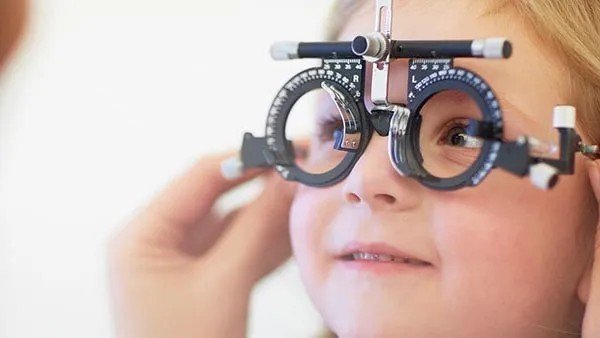
Healthy vision plays an important role in everyday life. From children reading at school to adults working on computers and older family members managing age-related eye problems, everyone needs proper eye care. Choosing the right Eye Clinic in Gurugram can help your family receive timely examinations, accurate diagnoses, and appropriate treatment.
However, finding a suitable clinic involves more than checking its location or appointment availability. You should consider the qualifications of the eye specialists, the range of services, the available diagnostic facilities, and the quality of patient care.
At EyePlus, we believe that understanding your family’s eye care needs is an important first step towards making an informed decision. Here are some practical factors to consider when selecting an eye clinic in Gurugram.
For fast information, direct chat with us on WhatsApp.
1. Check the Qualifications and Experience of Eye Specialists
The expertise of the eye doctor is one of the most important factors to consider. Different eye conditions may require different levels of medical attention.
An ophthalmologist is a medical doctor trained to diagnose and treat eye diseases and perform eye surgery when necessary. An optometrist can assess vision, identify certain eye problems, and provide vision-related care within their professional scope.
Before choosing an Eye Clinic in Gurugram, check the doctors’ qualifications, relevant experience, and areas of specialisation. This is particularly important if someone in your family has a long-term eye condition.
For example, patients with cataracts, glaucoma, retinal disorders, or diabetic eye complications may need evaluation by an ophthalmologist with relevant expertise.
2. Look for Comprehensive Eye Examination Services
A reliable eye clinic should offer appropriate examinations based on each patient’s age, symptoms, and medical history.
A comprehensive eye examination may include:
- Visual acuity testing to assess how clearly you can see.
- Refraction testing to determine your glasses prescription.
- Assessment of eye movements and focusing.
- Examination of the external and internal structures of the eyes.
- Additional tests when symptoms or medical history indicate a need.
These assessments help doctors identify vision changes and investigate possible eye conditions.
When comparing an Eye Clinic in Gurugram, ask whether the clinic provides comprehensive eye examinations rather than only basic vision testing. Some eye diseases may develop without noticeable symptoms, so routine professional assessment can be valuable.
3. Choose a Clinic That Understands Family Eye Care
Every family member has different eye care needs. Children may need vision assessments as they grow, working adults may experience digital eye strain, and older adults may require monitoring for age-related eye conditions.
A suitable eye clinic should be able to guide patients according to their individual requirements.
Eye care for children
Children may not always recognise or communicate vision problems. Squinting, sitting very close to a screen, frequent eye rubbing, or difficulty seeing the classroom board may indicate a need for an eye examination.
Early assessment can help identify problems that may affect learning and daily activities.
Eye care for adults
Adults who spend long hours using computers may experience dry eyes, headaches, or blurred vision. Regular breaks, appropriate screen habits, and professional advice can help address these concerns.
Eye care for senior citizens
Older adults may experience cataracts, glaucoma, or age-related retinal conditions. Their examination schedule should depend on their health, symptoms, risk factors, and the eye specialist’s advice.
Choosing an Eye Clinic in Gurugram that can guide different age groups makes it easier to organise your family’s eye care.
4. Evaluate the Diagnostic Equipment and Facilities
Modern diagnostic equipment can help eye specialists examine different structures of the eye and investigate specific symptoms.
Depending on the clinic’s services, facilities may include digital refraction equipment, slit-lamp examination, intraocular pressure measurement, retinal imaging, and other specialised diagnostic tests.
Not every patient needs every test. The appropriate investigations depend on the doctor’s findings and clinical judgement.
Before selecting an Eye Clinic in Gurugram, check whether the clinic has the facilities required for your family’s needs. If specialised treatment is necessary, ask whether the clinic provides it directly or refers patients to an appropriate specialist.
5. Consider the Location and Appointment Process
Convenience matters when choosing a healthcare provider. A clinic that is accessible from your home, workplace, or children’s school may make regular appointments easier to manage.
When comparing clinics, consider:
- Travel time and parking availability.
- Appointment booking options.
- Waiting times and consultation schedules.
- Accessibility for senior citizens.
- Availability of follow-up appointments.
These practical details become especially important when a family member needs repeated examinations or ongoing treatment.
Choosing a conveniently located Eye Clinic in Gurugram can help you manage appointments without unnecessary travel or disruption to your daily routine.
6. Understand the Cost of Consultation and Treatment
Eye care expenses can vary according to the type of examination, diagnostic tests, medicines, and treatment required.
Before booking an appointment, ask about the consultation fee and any additional charges that may apply. If surgery or specialised treatment is recommended, request a clear explanation of the expected costs.
You should also check whether your health insurance covers the relevant services and whether the clinic accepts your insurance plan.
The lowest consultation fee should not be the only deciding factor. Instead, consider the doctor’s qualifications, the suitability of the services, communication, and the overall quality of care.
A transparent Eye Clinic in Gurugram should help patients understand the proposed examination or treatment and the associated expenses.
7. Pay Attention to Communication and Patient Support
Good communication can make a significant difference to your healthcare experience.
An eye specialist should explain the examination findings, discuss possible treatment options, and answer questions in language you can understand. You should feel comfortable sharing symptoms and discussing concerns about your vision.
For children, a patient and reassuring approach can make examinations less stressful. Older adults may appreciate clear instructions about medicines, follow-up visits, and precautions after treatment.
During your first visit, notice whether the doctor listens carefully and explains the next steps. A supportive environment helps families make informed decisions about eye health.
8. Check Follow-Up Care and Emergency Guidance
Eye care does not always end with a single consultation. Certain conditions require regular monitoring, changes in treatment, or follow-up examinations.
Ask how follow-up appointments are arranged and whom you should contact if you have questions after your visit.
It is also important to understand the clinic’s emergency arrangements. Sudden vision loss, a serious eye injury, or sudden flashes and floaters accompanied by other concerning symptoms may require urgent medical assessment.
Do not delay urgent care while waiting for a routine appointment.
A suitable Eye Clinic in Gurugram should clearly explain its follow-up process and guide patients towards appropriate care when a problem needs urgent attention.
9. Review the Clinic’s Credibility Before Booking
Before finalising your choice, check the clinic’s official website for information about its doctors, services, location, and appointment process.
You can also verify professional qualifications and look for clear information about the treatments offered. Patient feedback may help you understand practical aspects such as communication and appointment management, but online reviews should not replace your own assessment of the clinic’s suitability.
Avoid choosing a clinic based only on promotional claims. Focus on relevant expertise, appropriate diagnostic facilities, transparent communication, and responsible medical care.
Taking these steps can help you shortlist an Eye Clinic in Gurugram that matches your family’s requirements.
Conclusion
Choosing the right eye clinic is an important step towards maintaining your family’s vision and eye health. Consider the qualifications of the specialists, the availability of comprehensive examinations, the needs of different age groups, diagnostic facilities, affordability, and follow-up support.
Regular eye examinations can help identify certain problems before they become noticeable. However, the appropriate frequency depends on age, symptoms, medical history, and individual risk factors.
At EyePlus, we encourage families to take eye health seriously and seek professional guidance whenever they notice changes in their vision. By making an informed choice, you can take a practical step towards better eye care for every member of your family.
Frequently Asked Questions (FAQs)
1. How do I choose the best Eye Clinic in Gurugram for my family?
Look for qualified eye specialists, comprehensive examination services, suitable diagnostic facilities, transparent fees, convenient appointments, and clear follow-up arrangements.
2. How often should family members get their eyes checked?
The recommended frequency varies by age, health, symptoms, and risk factors. People with diabetes, existing eye conditions, or a family history of certain eye diseases may need more frequent examinations.
3. What services should a good eye clinic provide?
Depending on its scope, an eye clinic may provide vision testing, refraction, eye health examinations, diagnosis of common eye conditions, treatment guidance, and referrals for specialised care.
4. When should I take my child to an eye clinic?
Arrange an examination if your child has difficulty seeing, squints frequently, complains of headaches associated with visual tasks, or shows other signs of possible vision problems. Follow age-appropriate screening recommendations as well.
5. When should I seek urgent eye care?
Seek urgent medical attention for sudden vision loss, a serious eye injury, severe eye pain, or sudden flashes and floaters with concerning symptoms. Prompt assessment can help protect your vision.