:
Healthy vision plays an important role in everyday life. However, problems such as blurred vision, eye irritation, redness, and headaches can affect people of all ages. Consulting an experienced Eye Specialist in Sector 51 Gurugram can help identify the cause of these symptoms and determine the right treatment. At EyePlus, patients can seek professional guidance for common eye concerns and learn how to maintain better eye health.
For fast information, direct chat with us on WhatsApp.
Some eye conditions develop gradually, while others may cause sudden symptoms. Early diagnosis is important because it can help prevent certain problems from becoming more serious. Regular eye examinations also help detect conditions that may not cause noticeable symptoms in their early stages.
What Common Eye Problems Require an Eye Specialist?
Eye problems can affect vision, comfort, and overall quality of life. Some conditions are temporary, while others require ongoing monitoring or specialised treatment.
Here are some common eye conditions that deserve attention.
1. Refractive Errors and Blurred Vision
Refractive errors are among the most common causes of unclear vision. They occur when the eye does not focus light correctly on the retina.
The main types include:
- Myopia: Difficulty seeing distant objects clearly.
- Hyperopia: Difficulty focusing on nearby objects in some cases.
- Astigmatism: Blurred or distorted vision caused by an irregular curvature of the cornea or lens.
- Presbyopia: Age-related difficulty focusing on close objects.
People with refractive errors may experience eye strain, headaches, or difficulty reading road signs. An eye examination helps determine the type and degree of the problem.
An Eye Specialist in Sector 51 Gurugram can assess your vision and recommend suitable corrective options, such as prescription glasses or contact lenses.
2. Dry Eyes and Eye Irritation
Dry eye occurs when the eyes do not produce enough tears or when tears evaporate too quickly. It can cause discomfort, especially during long hours of screen use.
Common symptoms include burning, redness, a gritty sensation, and fluctuating vision. Some people also experience excessive watering because irritation triggers reflex tears.
Long screen time, air conditioning, certain medications, and ageing may contribute to dry eyes.
Treatment depends on the underlying cause. It may include lubricating eye drops, screen breaks, eyelid care, or other measures recommended by an eye doctor.
If irritation continues despite basic care, arrange an eye examination to identify the cause.
3. Cataracts and Age-Related Vision Changes
A cataract develops when the natural lens inside the eye becomes cloudy. It is more common with ageing, although it can also develop because of diabetes, eye injuries, certain medications, or other factors.
Typical symptoms include:
- Blurred or cloudy vision
- Increased sensitivity to bright light
- Difficulty seeing at night
- Faded colours
- Frequent changes in spectacle prescriptions
Cataracts usually develop gradually. An eye examination can help determine whether the lens has become cloudy and how much vision is affected.
In the early stages, updated glasses may improve vision. However, cataract surgery may be recommended when the condition begins to interfere with daily activities.
4. Glaucoma and Damage to the Optic Nerve
Glaucoma refers to a group of eye conditions that damage the optic nerve. It is often associated with increased pressure inside the eye, although damage can also occur at normal pressure levels.
One challenge is that glaucoma may not cause noticeable symptoms in its early stages. Peripheral vision can gradually deteriorate without the person realising it.
Regular eye examinations are especially important for people with a family history of glaucoma, older adults, and those with other recognised risk factors.
An eye specialist may assess eye pressure, examine the optic nerve, and recommend visual field testing or other investigations.
Early detection is essential because treatment can help slow further damage. Vision already lost due to glaucoma generally cannot be restored.
5. Eye Infections and Conjunctivitis
Eye infections can occur because of viruses, bacteria, or other microorganisms. Conjunctivitis, commonly known as pink eye, causes inflammation of the thin membrane covering the white part of the eye and the inner eyelids.
Symptoms may include redness, watering, discharge, irritation, and swollen eyelids. However, similar symptoms can also occur with allergies and other eye conditions.
Treatment depends on the cause. Antibiotic eye drops are useful for certain bacterial infections but do not treat viral infections.
Avoid sharing towels or eye cosmetics, wash your hands regularly, and avoid touching your eyes. Do not use leftover prescription eye drops without medical advice.
Seek prompt medical attention if you experience significant eye pain, light sensitivity, or reduced vision.
6. Allergic Eye Conditions
Eye allergies occur when the eyes react to substances such as pollen, dust, or pet dander.
Common symptoms include itching, redness, watering, and swollen eyelids. Both eyes are often affected, and symptoms may occur alongside sneezing or a runny nose.
Avoiding known triggers can help reduce symptoms. Cold compresses and suitable lubricating drops may provide relief. An eye doctor may recommend additional medication depending on the severity of the allergy.
Avoid rubbing your eyes, as this can increase irritation. Persistent symptoms should be assessed to rule out other conditions.
7. Diabetic Eye Disease
Diabetes can affect the small blood vessels in the retina. This condition is known as diabetic retinopathy. It may develop without obvious symptoms during its early stages.
As the condition progresses, it can cause blurred vision, floaters, and potentially severe vision loss.
People with diabetes should undergo regular, doctor-recommended retinal examinations, even when their vision seems normal. Managing blood sugar, blood pressure, and cholesterol can also help reduce the risk of complications.
An eye specialist can recommend appropriate screening and further treatment when needed.
Why Choose an Eye Specialist in Sector 51 Gurugram?
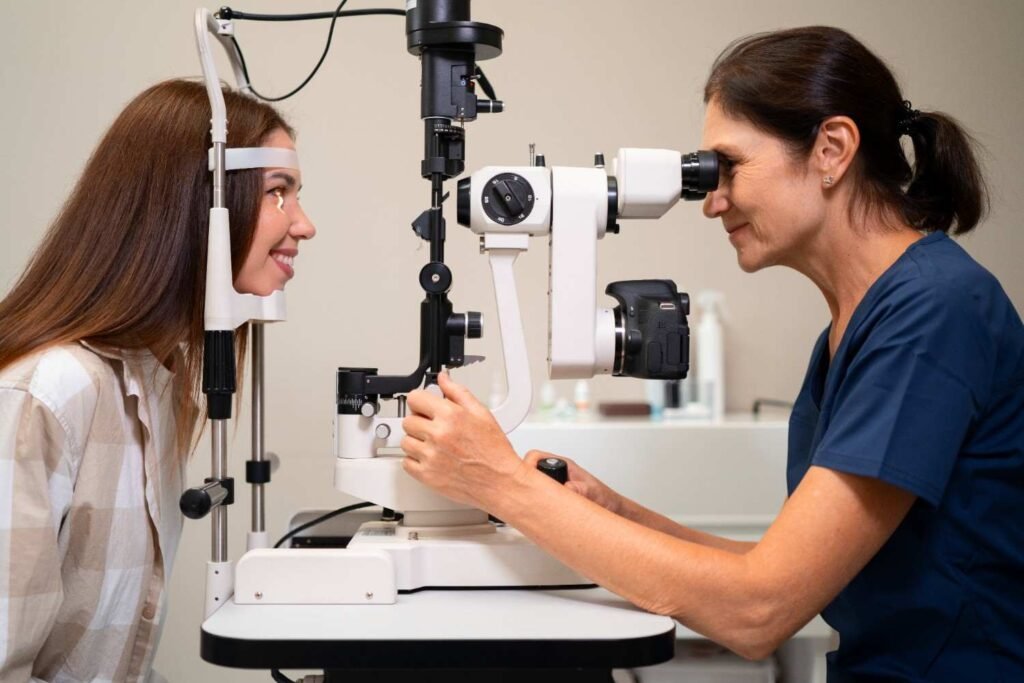
Choosing the right eye care provider helps ensure that vision problems receive appropriate attention. A comprehensive eye examination can identify issues that may not be obvious from symptoms alone.
At EyePlus, patients can seek professional guidance about their eye health, vision concerns, and suitable next steps. The appropriate examination or treatment depends on the individual’s symptoms and clinical findings.
When selecting an Eye Specialist in Sector 51 Gurugram, consider the doctor’s qualifications, experience, available diagnostic facilities, and ability to explain treatment options clearly.
Regular follow-ups are also important for conditions such as glaucoma and diabetic eye disease, which may require ongoing monitoring.
How Can You Maintain Healthy Eyes?
Simple daily habits can support eye health and reduce avoidable discomfort.
- Follow the 20-20-20 rule during prolonged screen use: every 20 minutes, look at something about 20 feet away for 20 seconds.
- Wear appropriate sunglasses that provide UV protection.
- Eat a balanced diet containing leafy greens, fruits, and other nutrient-rich foods.
- Avoid rubbing your eyes with unwashed hands.
- Keep contact lenses clean and follow the recommended wearing schedule.
- Manage diabetes and high blood pressure with professional guidance.
- Schedule regular eye examinations based on your age, symptoms, and risk factors.
These habits support eye health but do not replace professional examinations or prescribed treatment.
When Should You Visit an Eye Specialist?
Do not ignore persistent blurred vision, recurring redness, eye discomfort, excessive watering, or difficulty seeing at night.
Some symptoms require immediate attention. Sudden vision loss, severe eye pain, new flashes or numerous floaters, or a curtain-like shadow across your vision may indicate a serious eye problem. Seek emergency eye care if these symptoms occur.
Timely assessment can help identify the cause and reduce the risk of complications.
Conclusion
Eye problems range from simple refractive errors to conditions that can threaten vision if left untreated. Dry eyes, cataracts, glaucoma, allergies, infections, and diabetic eye disease all require different approaches to diagnosis and care.
Consulting an Eye Specialist in Sector 51 Gurugram can help you understand your symptoms and identify appropriate treatment options. At EyePlus, patients can seek professional guidance and learn about the steps needed to protect their vision.
Regular eye examinations, healthy daily habits, and timely medical attention can make a meaningful difference in maintaining long-term eye health.
Frequently Asked Questions
1. What are the most common eye problems treated by an eye specialist?
Common eye problems include refractive errors, dry eyes, cataracts, glaucoma, eye allergies, conjunctivitis, and diabetic eye disease. Treatment depends on the diagnosis and severity.
2. When should I consult an Eye Specialist in Sector 51 Gurugram?
You should arrange an eye examination if you experience persistent blurred vision, redness, irritation, headaches associated with visual tasks, or difficulty seeing at night. Sudden vision changes require urgent assessment.
3. Can regular eye examinations detect glaucoma early?
Yes. Eye examinations can identify signs of glaucoma before noticeable symptoms develop. Depending on your risk factors, your doctor may recommend eye pressure measurements, optic nerve evaluation, and visual field tests.
4. How often should adults have an eye examination?
The recommended frequency depends on age, medical history, vision needs, and risk factors. People with diabetes, glaucoma risk, or existing eye conditions may need more frequent examinations.
5. How can I protect my eyes from screen-related strain?
Take regular breaks, follow the 20-20-20 rule, adjust screen brightness, maintain a comfortable viewing distance, and blink regularly. If symptoms persist, consult an eye specialist to check for dry eyes or refractive errors.