:
: 
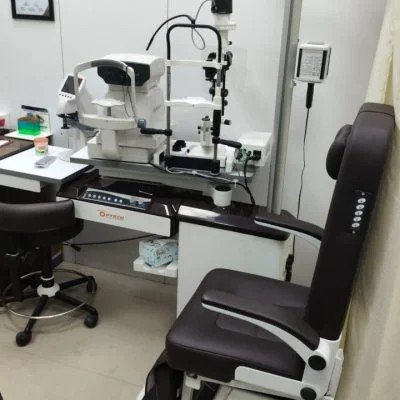
Blurry vision can happen for many reasons. Sometimes, it may be caused by tired eyes or an outdated glasses prescription. In other cases, it may indicate an eye condition that needs medical attention. If you have persistent or recurring blurry vision, visiting an Eye Hospital in Sector 51 Gurugram can help identify the underlying cause and protect your long-term eye health.
At EyePlus EyeCare, comprehensive eye examinations are available for different vision and eye-health concerns, including refractive errors, cataracts, glaucoma, retinal disorders, and other conditions.
For fast information, direct chat with us on WhatsApp.
What Does Blurry Vision Mean?
Blurry vision means that objects do not appear as sharp or clear as they normally should. It can affect one eye or both eyes. The problem may occur suddenly or develop gradually.
Common symptoms may include:
- Difficulty reading small text
- Trouble seeing distant objects clearly
- Difficulty focusing on screens
- Hazy or cloudy vision
- Frequent headaches
- Eye strain
- Difficulty seeing at night
- Needing to squint to see clearly
Occasional blurriness may not always indicate a serious problem. However, persistent changes in vision should not be ignored.
Common Causes of Blurry Vision
Several conditions can lead to blurry eyesight. Identifying the cause is important because the appropriate treatment depends on the underlying problem.
Refractive Errors
Myopia, hyperopia, and astigmatism are common causes of blurred vision. An incorrect or outdated glasses prescription can also make your vision unclear.
A comprehensive eye examination can determine whether your prescription needs to be updated. Regular eye checkups can also help identify refractive errors and other eye conditions.
Cataracts
A cataract develops when the natural lens inside the eye becomes cloudy. This can make vision appear blurry, hazy, or less bright.
You may also notice:
- Increased sensitivity to light
- Glare from headlights
- Difficulty seeing at night
- Problems reading
- Frequent changes in glasses prescription
If cataracts start affecting your daily activities, an ophthalmologist can assess whether cataract treatment or surgery is appropriate.
Dry Eyes
Dry eyes can cause temporary blurry vision, burning, irritation, redness, or a gritty sensation. Long periods of screen use may also contribute to eye discomfort and strain.
If symptoms continue despite taking regular screen breaks and maintaining good eye-care habits, an eye examination can help determine the cause.
Glaucoma
Glaucoma can damage the optic nerve and may lead to permanent vision loss. Some forms can develop gradually without obvious symptoms in the early stages.
This is one reason routine eye examinations are important, especially for people who have risk factors for glaucoma.
Retinal Problems
The retina plays an important role in vision. Conditions affecting the retina can cause blurry, distorted, or reduced vision.
People with diabetes should be especially careful about regular eye examinations because diabetic retinopathy can affect retinal blood vessels. Other retinal conditions may also require timely diagnosis and treatment.
When Should You Visit an Eye Hospital for Blurry Vision?
If blurry vision is persistent, worsening, or interfering with your daily routine, it is a good idea to schedule an eye examination.
You should consider visiting an Eye Hospital in Sector 51 Gurugram when:
1. Blurry Vision Keeps Coming Back
If your vision repeatedly becomes blurry, do not simply assume that you need new glasses. An eye specialist can check whether another condition is responsible.
2. Your Vision Is Getting Worse
Gradual changes in eyesight should be evaluated. Early diagnosis can be important for conditions such as cataracts, glaucoma, and retinal disorders.
3. You Have Difficulty Driving at Night
Glare, halos, poor night vision, and difficulty recognizing objects in low light may indicate an underlying eye problem. Cataracts, refractive errors, and other conditions can affect night vision.
4. You Have Diabetes or Other Health Risk Factors
Diabetes and hypertension can affect eye health. Regular examinations can help monitor the eyes and identify changes before significant vision problems develop.
5. Blurry Vision Is Affecting Daily Activities
If you struggle to read, work on a computer, recognize faces, drive, or perform everyday tasks because of unclear vision, professional evaluation is recommended.
Sudden Blurry Vision Needs Prompt Attention
Sudden changes in vision should not be ignored. If blurry vision develops suddenly, particularly with severe eye pain, significant redness, flashes, many new floaters, a curtain-like shadow, double vision, weakness, confusion, or other sudden neurological symptoms, seek urgent medical attention.
Do not wait for the problem to resolve on its own when there is a sudden or significant change in eyesight.
What Happens During an Eye Checkup?
An eye examination is more than simply checking whether you need glasses.
Depending on your symptoms, an eye specialist may perform several tests. These can include:
- Visual acuity testing
- Refraction testing
- Slit-lamp examination
- Eye pressure measurement
- Retinal examination
- Other tests based on your symptoms and medical history
These examinations can help identify refractive errors and screen for conditions such as cataracts, glaucoma, and retinal problems.
At EyePlus EyeCare, modern diagnostic equipment and comprehensive eye-care services are available for patients of different age groups.
Why Choose an Eye Hospital in Sector 51 Gurugram?
Choosing a conveniently located eye-care centre can make it easier to seek timely care. EyePlus EyeCare is located in Sector 51, Gurugram, and provides services including eye checkups, cataract surgery, glaucoma treatment, refractive error assessment, and retina disorder treatment.
The centre focuses on comprehensive eye care, modern diagnostic technology, personalized care, and professional ophthalmic services.
If you are experiencing ongoing blurry vision, an examination can help determine whether the problem is related to your glasses prescription, dry eyes, cataracts, glaucoma, retinal changes, or another condition.
How Can You Protect Your Eyesight?
Along with regular eye examinations, simple habits can support better eye health:
- Follow the correct prescription for glasses or contact lenses.
- Take regular breaks during prolonged screen use.
- Avoid rubbing your eyes.
- Protect your eyes from excessive sunlight with appropriate eyewear.
- Manage blood sugar and blood pressure as advised by your doctor.
- Maintain good hygiene when handling contact lenses.
- Get regular eye examinations, especially if you have risk factors.
Most importantly, do not ignore persistent changes in vision.
Conclusion
Blurry vision can have a simple explanation, but it can also be an early sign of an eye condition that requires treatment. If your vision remains unclear, keeps changing, or starts affecting your everyday activities, consider consulting an ophthalmologist.
A timely examination at an Eye Hospital in Sector 51 Gurugram can help identify the cause of blurry vision and guide you toward appropriate care. EyePlus EyeCare provides comprehensive eye-care services in Sector 51, Gurugram, with diagnostic and treatment options for various eye conditions.
FAQs
1. Is blurry vision always a sign of an eye disease?
No. Blurry vision can result from refractive errors, dry eyes, fatigue, or an outdated glasses prescription. However, persistent or worsening blurry vision should be evaluated by an eye specialist.
2. When should I visit an Eye Hospital in Sector 51 Gurugram for blurry vision?
You should consider an eye examination when blurry vision persists, repeatedly returns, becomes worse, or interferes with reading, working, driving, or other daily activities.
3. Can cataracts cause blurry vision?
Yes. Cataracts can make vision cloudy or blurry and may also cause glare, light sensitivity, difficulty seeing at night, and problems with reading or recognizing faces.
4. Can diabetes affect vision?
Yes. Diabetes can affect the retina and may contribute to diabetic retinopathy. Regular eye examinations are important for people with diabetes to monitor eye health.
5. What tests may be done for blurry vision?
Depending on your symptoms, an eye examination may include visual acuity, refraction, slit-lamp examination, eye pressure measurement, and retinal examination. Additional tests may be recommended when needed.