:
: 
Choosing the right vision correction method can feel confusing, especially if you’ve recently been diagnosed with myopia. Many people wonder whether glasses or contact lenses provide better comfort, clearer vision, and long-term eye health. If you’re searching for Glasses vs Contact Lenses for Myopia in Gurugram, understanding the advantages and limitations of each option can help you make an informed decision.
Myopia, also known as nearsightedness, is becoming increasingly common among children, teenagers, and adults. Fortunately, several effective vision correction options are available today. However, the best choice depends on your lifestyle, age, eye health, and personal preferences.
This guide explains the differences between glasses and contact lenses, discusses myopia treatment, and highlights when you should consult an eye specialist.
For fast information, direct chat with us on WhatsApp.
Glasses vs Contact Lenses for Myopia in Gurugram: Understanding Your Options
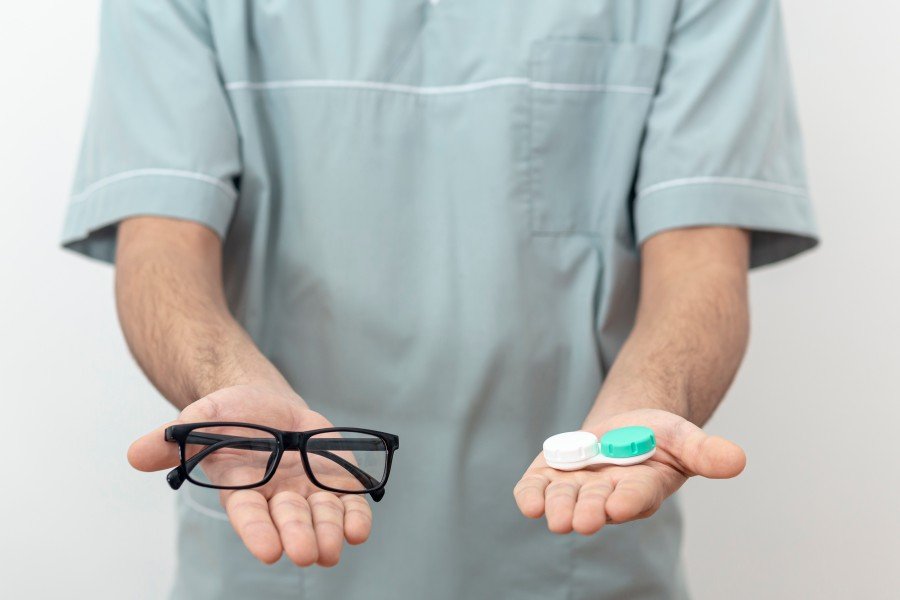
Both glasses and contact lenses effectively correct blurry distance vision caused by myopia. Neither option is universally better. Instead, each offers unique benefits depending on your daily activities and visual needs.
If you’re comparing Glasses vs Contact Lenses for Myopia in Gurugram, it’s important to consider comfort, convenience, eye health, maintenance, and long-term usage rather than focusing only on appearance.
An experienced eye specialist can evaluate your eyes and recommend the most suitable solution after a comprehensive eye examination.
What Is Myopia?
Myopia is a refractive error in which distant objects appear blurry while nearby objects remain clear. It usually develops when the eyeball is slightly longer than normal or when the cornea has excessive curvature.
Common symptoms include:
- Blurred distance vision
- Frequent squinting
- Eye strain
- Headaches after prolonged visual tasks
- Difficulty driving at night
Early diagnosis is essential because progressive myopia may increase the risk of future eye conditions. Proper myopia management helps maintain healthy vision over time.
Benefits of Glasses for Nearsightedness
Many people choose glasses for nearsightedness because they are simple, safe, and easy to use.
Easy to Wear
Glasses require minimal maintenance. Simply clean the lenses regularly and wear them whenever needed.
Comfortable for Sensitive Eyes
People with dry eyes, allergies, or sensitive corneas often find glasses more comfortable than contact lenses.
Lower Risk of Eye Infections
Since glasses do not touch the surface of the eye, they carry a lower risk of infection when compared with improperly maintained contact lenses.
Eye Protection
Certain lenses provide UV protection and blue-light filtering, helping reduce exposure during outdoor activities or prolonged digital screen use.
Cost-Effective
Prescription glasses generally last for years with proper care, making them a practical long-term investment.
Drawbacks of Glasses
Although glasses offer many advantages, they also have some limitations.
- They may fog up during weather changes.
- Frames can become uncomfortable after extended wear.
- Peripheral vision may feel slightly restricted.
- Glasses may interfere with certain sports and physical activities.
For some individuals, these limitations encourage them to explore other vision correction options.
Benefits of Contact Lenses for Myopia
Modern contact lenses for myopia provide excellent vision while offering greater freedom during daily activities.
Natural Field of Vision
Because contact lenses move with your eyes, they provide a wider field of vision without frame edges.
Ideal for Active Lifestyles
Sports enthusiasts and physically active individuals often prefer contact lenses because they stay in place during movement.
Cosmetic Preference
Many people appreciate maintaining their natural appearance without wearing spectacles.
Compatibility with Sunglasses
Contact lenses allow you to wear any sunglasses without needing prescription lenses.
Today’s advanced contact lenses for myopia are available as daily, bi-weekly, monthly, and specialty lenses based on individual needs.
Drawbacks of Contact Lenses
Contact lenses require responsible usage and proper hygiene.
Some disadvantages include:
- Daily cleaning for reusable lenses
- Increased risk of infection if hygiene is poor
- Dryness during prolonged screen use
- Regular replacement costs
Following your eye doctor’s instructions significantly reduces these risks and supports healthy vision.
Contact Lenses vs Glasses: Which Offers Better Vision?
When comparing contact lenses vs glasses, both can provide excellent visual clarity with the correct prescription.
However, contact lenses generally offer:
- Better peripheral vision
- Less image distortion
- Greater convenience during sports
- No lens fogging
On the other hand, glasses offer:
- Easier maintenance
- Better comfort for dry eyes
- Reduced infection risk
- Simple daily use
The ideal solution depends on your eye condition and lifestyle rather than one option being superior for everyone.
Which Option Is Better for Children?
Children with progressing myopia may require more than standard glasses.
Modern myopia management strategies may include:
- Specialized myopia control lenses
- Certain contact lens designs
- Lifestyle modifications
- Regular eye examinations
Parents should never select treatment based solely on convenience. Instead, they should seek professional advice for appropriate nearsightedness treatment that matches the child’s age and eye health.
Lifestyle Factors to Consider
Before deciding between glasses and contact lenses, think about your daily routine.
You may prefer glasses if you:
- Work long hours on computers
- Have dry or sensitive eyes
- Want low-maintenance vision correction
You may prefer contact lenses if you:
- Play sports regularly
- Travel frequently
- Prefer a glasses-free appearance
- Need a wider field of vision
Many patients also use both. They wear contact lenses during active hours and switch to glasses in the evening.
Myopia Treatment Beyond Glasses and Contact Lenses
Although glasses and contact lenses correct vision, they do not cure myopia.
Depending on age and eye health, myopia treatment may include:
- Prescription spectacles
- Specialty contact lenses
- Myopia control strategies
- Regular monitoring of eye power
- Lifestyle advice to reduce eye strain
An eye specialist will recommend the safest treatment after evaluating your vision and overall eye health.
When Should You Consult an Eye Specialist?
Schedule an eye examination if you notice:
- Increasing blurry distance vision
- Frequent headaches
- Rapid changes in spectacle power
- Difficulty driving at night
- Children squinting while watching television or reading classroom boards
Residents of Gurugram, should also consider routine eye examinations even if symptoms seem mild. Early diagnosis allows timely myopia management and helps maintain healthy vision.
Practical Tips for Healthy Vision
Healthy daily habits can support your eyesight regardless of whether you wear glasses or contact lenses.
- Follow the 20-20-20 rule during screen time.
- Avoid sleeping while wearing contact lenses unless prescribed.
- Wash your hands before handling lenses.
- Clean glasses regularly using recommended solutions.
- Spend more time outdoors, especially for children.
- Never ignore changes in vision.
These simple habits support comfortable and healthy vision every day.
Conclusion
Choosing between glasses and contact lenses is a personal decision that depends on your lifestyle, comfort, and eye health. If you’re comparing Glasses vs Contact Lenses for Myopia in Gurugram, remember that both options can provide excellent vision when prescribed correctly.
The right solution often comes after a detailed eye examination and discussion with an experienced eye specialist. If you live in Gurugram, Haryana, consulting the eye care professionals at EyePlus EyeCare can help you understand your vision correction options and choose the most suitable approach for long-term eye health.