:

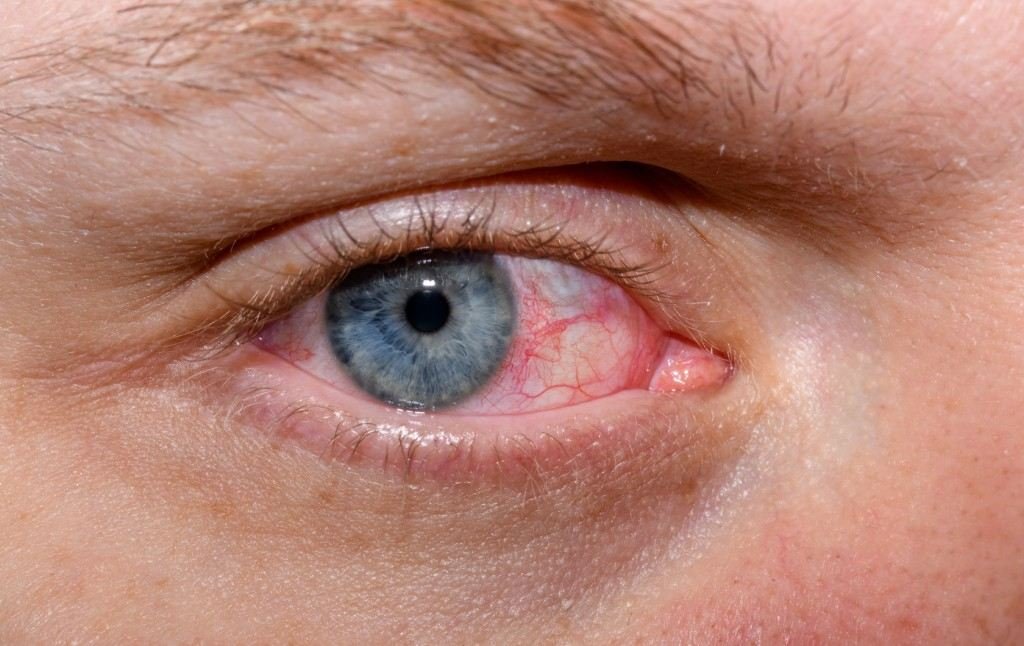
Dry, irritated, or burning eyes can make everyday activities uncomfortable. Long screen time, air conditioning, pollution, contact lenses, and certain health conditions can contribute to dry eyes. If you are looking for Dry Eye Disease Treatment in Gurugram, EyePlus provides comprehensive eye care with a personalized approach based on your symptoms and eye health. The right treatment depends on the underlying cause and severity of dry eye disease.
For fast information, direct chat with us on WhatsApp.
What Is Dry Eye Disease?
Dry eye disease is a common eye condition that occurs when the eyes do not produce enough tears or when tears evaporate too quickly. Tears are important because they keep the surface of the eyes moist, smooth, and protected.
People with dry eyes may experience:
- Burning or stinging sensations
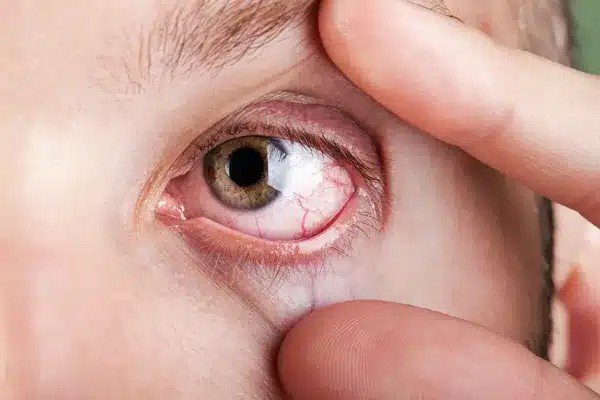
- Redness and irritation
- A gritty or sandy feeling
- Watery eyes
- Blurred or fluctuating vision
- Light sensitivity
- Eye fatigue
- Difficulty wearing contact lenses
Although occasional dryness may improve with simple care, persistent symptoms should be evaluated by an eye specialist.
What Causes Dry Eye Disease?
Dry eye can have several causes. Spending long hours on computers and mobile phones can reduce blinking. This may increase tear evaporation and make the eyes feel dry.
Other possible factors include:
- Age-related changes in tear production
- Prolonged screen use
- Air conditioning and low humidity
- Dust and pollution
- Contact lens use
- Certain medications
- Eyelid or tear gland problems
- Some medical conditions
Identifying the cause is an important part of effective Dry Eye Disease Treatment in Gurugram.
How Is Dry Eye Diagnosed at EyePlus?
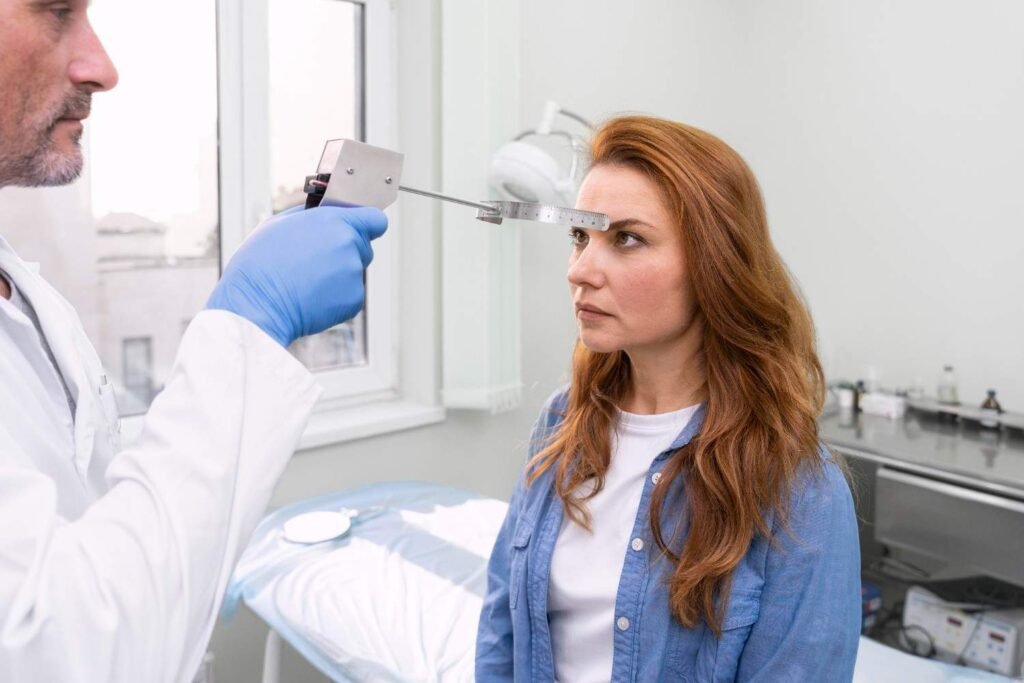
Before recommending treatment, an ophthalmologist may perform a detailed eye examination. The goal is to understand your symptoms and assess the condition of the eye surface.
A comprehensive eye examination can include visual assessment, slit-lamp examination, and other tests when required. EyePlus uses modern diagnostic equipment and provides personalized eye-care plans for different patients.
The examination helps determine whether your symptoms are related to reduced tear production, excessive tear evaporation, inflammation, or another eye condition.
Artificial Tears for Dry Eyes
Artificial tears are commonly used to relieve mild to moderate dry eye symptoms. They help lubricate the surface of the eye and can reduce burning, irritation, and discomfort.
Your eye specialist may recommend a suitable lubricating eye drop based on your symptoms. Some patients may need drops several times a day, while others may need them only when symptoms occur.
It is important to use eye drops as advised by an eye specialist, especially when symptoms continue for a long time.
Prescription Eye Drops and Medicines
When dry eye symptoms are persistent, lubricating drops alone may not always be sufficient. Depending on the cause, an ophthalmologist may recommend prescription medicines to manage inflammation or improve tear production.
The choice of treatment depends on your individual condition. Therefore, self-medication should be avoided.
At EyePlus, treatment plans are personalized according to each patient’s eye health and requirements.
Warm Compresses and Eyelid Care
For some patients, dry eye symptoms may be associated with problems involving the oil-producing glands along the eyelids. These glands help prevent tears from evaporating too quickly.
An ophthalmologist may recommend warm compresses and appropriate eyelid hygiene as part of the treatment plan.
These simple measures may help improve the tear film and reduce irritation. However, the technique and frequency should be discussed with an eye-care professional if symptoms are persistent.
Lifestyle Changes for Dry Eye Relief
Daily habits can make a noticeable difference in managing dry eye symptoms.
If you spend several hours in front of a screen, follow the 20-20-20 approach. After every 20 minutes, look at something around 20 feet away for about 20 seconds.
You can also:
- Blink frequently while using digital devices
- Take regular screen breaks
- Avoid direct air from fans and air conditioners
- Keep your surroundings comfortably humid
- Stay adequately hydrated
- Protect your eyes from dust and pollution
- Follow proper contact lens hygiene
These measures can support professional Dry Eye Disease Treatment in Gurugram and may help reduce recurring discomfort.
Managing Contact Lens-Related Dryness
Contact lenses can sometimes contribute to dry eye symptoms. Some people may experience irritation, redness, or discomfort after wearing lenses for several hours.
If contact lenses are contributing to dryness, an eye specialist may recommend reducing wearing time, changing lens-care practices, or considering another vision correction option.
Do not continue wearing contact lenses when your eyes are significantly irritated without consulting an eye-care professional.
Why Personalized Dry Eye Treatment Matters
Dry eye is not the same for everyone. One person may have reduced tear production, while another may experience excessive tear evaporation. Some patients may also have eyelid or ocular surface problems.
For this reason, treatment should be based on the underlying cause rather than simply treating the symptoms.
EyePlus focuses on personalized care and uses modern diagnostic tools to identify and monitor eye conditions. The clinic provides eye-care services at its Sector 51, Gurugram location.
When Should You See an Eye Specialist?
You should consider an eye examination if dry eye symptoms:
- Continue for several weeks
- Interfere with reading or computer work
- Cause frequent redness or irritation
- Affect your vision
- Make contact lens use uncomfortable
- Keep returning despite using basic lubricating drops
Sudden vision changes, severe eye pain, significant redness, or light sensitivity should receive prompt medical attention.
Early evaluation can help identify the cause and prevent ongoing discomfort.
Dry Eye Disease Treatment in Gurugram at EyePlus
Choosing the right Dry Eye Disease Treatment in Gurugram starts with understanding why your eyes are dry. Depending on the condition, treatment may involve lubricating eye drops, prescription medication, eyelid care, lifestyle changes, contact lens adjustments, or regular monitoring.
EyePlus EyeCare offers comprehensive eye-care services and emphasizes personalized treatment for patients. Its ophthalmology team uses modern diagnostic technology to evaluate different eye conditions and create suitable care plans.
If you are experiencing persistent dryness, burning, redness, or fluctuating vision, an eye examination can help determine the next step.
Conclusion
Dry eye disease can affect comfort, concentration, and everyday vision. The good news is that several treatment options are available. The most suitable approach depends on the cause, severity, and overall health of your eyes.
With professional evaluation and consistent eye care, dry eye symptoms can often be managed effectively. If you are searching for Dry Eye Disease Treatment in Gurugram, EyePlus can help assess your symptoms and guide you toward an appropriate treatment plan.
Frequently Asked Questions
1. What is the most common treatment for dry eye disease?
Artificial tears are commonly used to relieve mild dry eye symptoms. However, persistent or severe dryness may require additional treatment prescribed by an ophthalmologist.
2. Can dry eye disease be treated permanently?
Dry eye is often a long-term condition, but symptoms can usually be managed. Treatment focuses on addressing the underlying cause and maintaining a healthy eye surface.
3. Can screen time cause dry eyes?
Yes. Prolonged screen use can reduce the frequency of blinking. This may increase tear evaporation and contribute to dryness, irritation, and eye fatigue.
4. When should I visit an eye doctor for dry eyes?
You should consult an eye specialist if symptoms persist, frequently return, affect your vision, or interfere with daily activities.
5. Can contact lenses make dry eyes worse?
Yes. Contact lens wear can contribute to dryness and irritation in some people. If you experience discomfort while wearing lenses, consult an eye specialist for appropriate guidance.