:

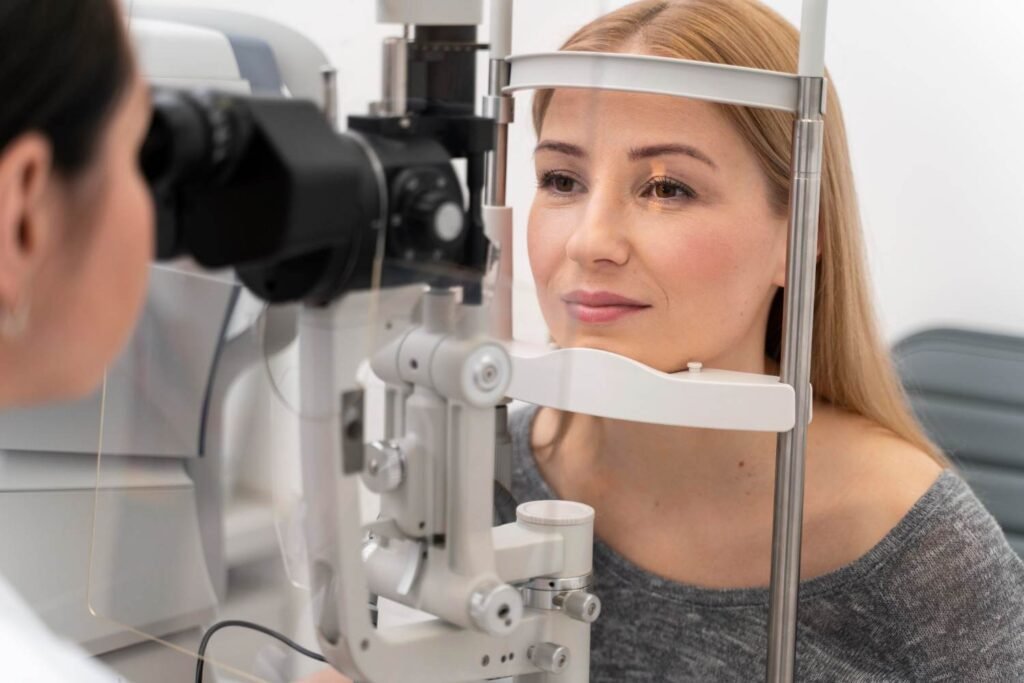
Your eyes play an important role in everyday life. However, many people visit an eye doctor only when they experience blurred vision or discomfort. Visiting an Eye Clinic in Sector 51 Gurugram for regular eye examinations can help identify vision changes and detect certain eye conditions at an early stage. Even if your eyesight seems normal, a comprehensive eye examination can reveal problems that may not cause noticeable symptoms.
Knowing when to schedule an eye check-up helps you take better care of your vision. It is especially important for children, older adults, people with diabetes, and individuals who spend long hours using digital screens.
For fast information, direct chat with us on WhatsApp.
1. When Should You Visit an Eye Clinic?
You should schedule an eye examination whenever you notice changes in your vision or experience persistent eye discomfort. Regular check-ups are also important because some eye conditions develop without obvious warning signs.
Consider visiting an eye specialist if you experience:
- Blurred vision while reading or driving
- Frequent headaches associated with visual tasks
- Difficulty seeing clearly at night
- Redness, itching, or persistent irritation
- Difficulty focusing on nearby or distant objects
- Changes in your existing glasses prescription
An Eye Clinic in Sector 51 Gurugram can assess these symptoms and recommend suitable tests or treatment. Do not ignore recurring symptoms, even if they seem mild.
Sudden vision loss, severe eye pain, or flashes accompanied by many new floaters require urgent medical assessment.
2. Why Are Regular Eye Examinations Important?
Regular eye examinations do more than check whether you need glasses. They also help assess the overall health of your eyes.
During a comprehensive examination, an eye care professional may check visual clarity, eye movements, eye pressure, and internal eye structures. Additional tests may be recommended depending on your symptoms and medical history.
These examinations can help detect conditions such as glaucoma, cataracts, and diabetic retinopathy. Some of these conditions may progress without noticeable early symptoms.
Visiting an Eye Clinic in Sector 51 Gurugram regularly allows your eye care professional to monitor changes over time and recommend follow-up appointments when necessary.
3. Eye Examination for Blurred Vision and Frequent Headaches
Blurred vision can develop for several reasons. Common causes include refractive errors, dry eyes, and changes in the eye’s natural lens.
Refractive errors occur when the eye does not focus light correctly. They include nearsightedness, farsightedness, and astigmatism. These problems may make reading, driving, or working on a computer more difficult.
Frequent headaches can sometimes occur when your eyes struggle to focus. However, headaches can also have causes unrelated to vision.
An eye examination helps determine whether a vision problem may be contributing to your symptoms. Your eye specialist can then discuss appropriate options, including updated glasses or further assessment if needed.
4. When Should Children Have Their Eyes Checked?
Children may not always recognise or communicate vision problems. As a result, some difficulties can go unnoticed at home or school.
Parents should arrange eye examinations if a child frequently squints, sits very close to a screen, complains of headaches, or struggles to read the classroom board.
Regular vision screening is also important during childhood because clear vision supports learning and daily activities. If screening identifies a possible problem, a comprehensive examination may be necessary.
An eye care professional can recommend an appropriate examination schedule based on the child’s age, symptoms, and individual risk factors.
5. Eye Check-Ups for People With Diabetes and High Blood Pressure
Diabetes can damage the small blood vessels in the retina, leading to a condition called diabetic retinopathy. In its early stages, it may not cause noticeable vision changes.
High blood pressure can also affect the blood vessels in the eyes. Therefore, people with these conditions should discuss regular eye examinations with their healthcare provider.
A dilated eye examination may be recommended to assess the retina and identify changes that require monitoring or treatment.
Do not wait for blurred vision before arranging an eye check-up. Early detection can help your doctor manage eye complications more effectively.
6. How Does Screen Time Affect Your Eyes?
Long hours spent using computers, mobile phones, and tablets can contribute to digital eye strain. Common symptoms include tired eyes, temporary blurred vision, dryness, and headaches.
People who work on screens throughout the day may also blink less frequently, which can worsen dryness and irritation.
You can reduce digital eye strain by following these simple habits:
- Take regular breaks during prolonged screen use.
- Look at a distant object every 20 minutes.
- Adjust screen brightness to a comfortable level.
- Keep your screen at a suitable distance.
- Blink regularly and avoid working in poor lighting.
If discomfort continues despite these changes, arrange an eye examination. Persistent symptoms may require further assessment or treatment.
7. What Happens During an Eye Examination?
An eye examination usually begins with questions about your symptoms, medical history, and existing glasses or contact lenses.
Your eye care professional may perform several tests depending on your needs.
Visual acuity test: This checks how clearly you can see at different distances.
Refraction test: This helps determine whether you need glasses or a change in your prescription.
Eye pressure measurement: This test may help assess your risk of glaucoma.
Retinal examination: The doctor examines the back of the eye to look for signs of retinal damage or other abnormalities.
Additional tests: Pupil dilation, visual field testing, or other investigations may be recommended when clinically necessary.
Not everyone needs every test during each visit. The examination depends on your age, symptoms, medical history, and risk factors.
8. How Often Should You Visit an Eye Clinic?
The ideal frequency of eye examinations varies from person to person. Your age, existing eye conditions, general health, and family history can influence how often you need an appointment.
Children may need examinations at specific stages of development. Adults who wear contact lenses or have ongoing eye problems may require more frequent assessments.
People with diabetes, glaucoma risk factors, or other medical concerns may also need a personalised examination schedule.
If you are unsure when to arrange your next check-up, consult an eye care professional. A visit to an Eye Clinic in Sector 51 Gurugram can help you understand your eye health needs and plan suitable follow-up care.
Conclusion
Knowing when to visit an eye clinic can help you protect your vision and recognise potential problems early. Blurred vision, recurring headaches, eye discomfort, and changes in night vision should not be ignored. Regular examinations are equally important for people who have diabetes, children with possible vision difficulties, and adults with a family history of eye disease.
At EyePlus, prioritising eye health starts with understanding your symptoms and seeking appropriate professional guidance. If you notice changes in your eyesight or are due for a routine check-up, consider visiting an Eye Clinic in Sector 51 Gurugram for an assessment and personalised advice. Early attention and regular monitoring can make an important difference to long-term eye health.
Frequently Asked Questions
1. When should I get my eyes examined?
You should arrange an eye examination if you notice blurred vision, persistent irritation, headaches associated with visual tasks, or difficulty seeing clearly. Routine examinations are also important even when you have no symptoms.
2. Can an eye examination detect eye diseases early?
Yes. A comprehensive eye examination can help detect conditions such as glaucoma, cataracts, and diabetic retinopathy. Some of these conditions may not cause noticeable symptoms during their early stages.
3. Do I need an eye examination if I can see clearly?
Yes. Clear vision does not always mean that your eyes are healthy. Certain eye diseases can develop without obvious symptoms, so regular examinations remain important.
4. Can excessive screen time cause blurred vision?
Prolonged screen use can contribute to digital eye strain, dry eyes, and temporary blurred vision. Taking regular breaks may help. Persistent or sudden vision changes should be assessed by an eye care professional.
5. When should I seek urgent eye care?
Seek urgent medical attention for sudden vision loss, severe eye pain, sudden double vision, or new flashes and floaters, especially when accompanied by a shadow or curtain across your vision. Do not delay assessment for these symptoms.